




Poison Prevention Week, observed March 15–21, is an important reminder that everyday household items can pose serious risks to our pets. Dogs and cats are naturally curious, and what seems harmless to us can be extremely dangerous—or even life-threatening—to them. Knowing the most common toxins and how to prevent exposure can save lives.
Why Poison Prevention Matters for Pets
Pets explore the world with their mouths and paws. Dogs may ingest items out of curiosity, while cats are especially sensitive to toxins they absorb through grooming. Even small amounts of certain substances can cause severe illness.
Poisoning emergencies often happen quickly, making prevention the best line of defense.
Common Household Poisons for Dogs and Cats
Human Foods
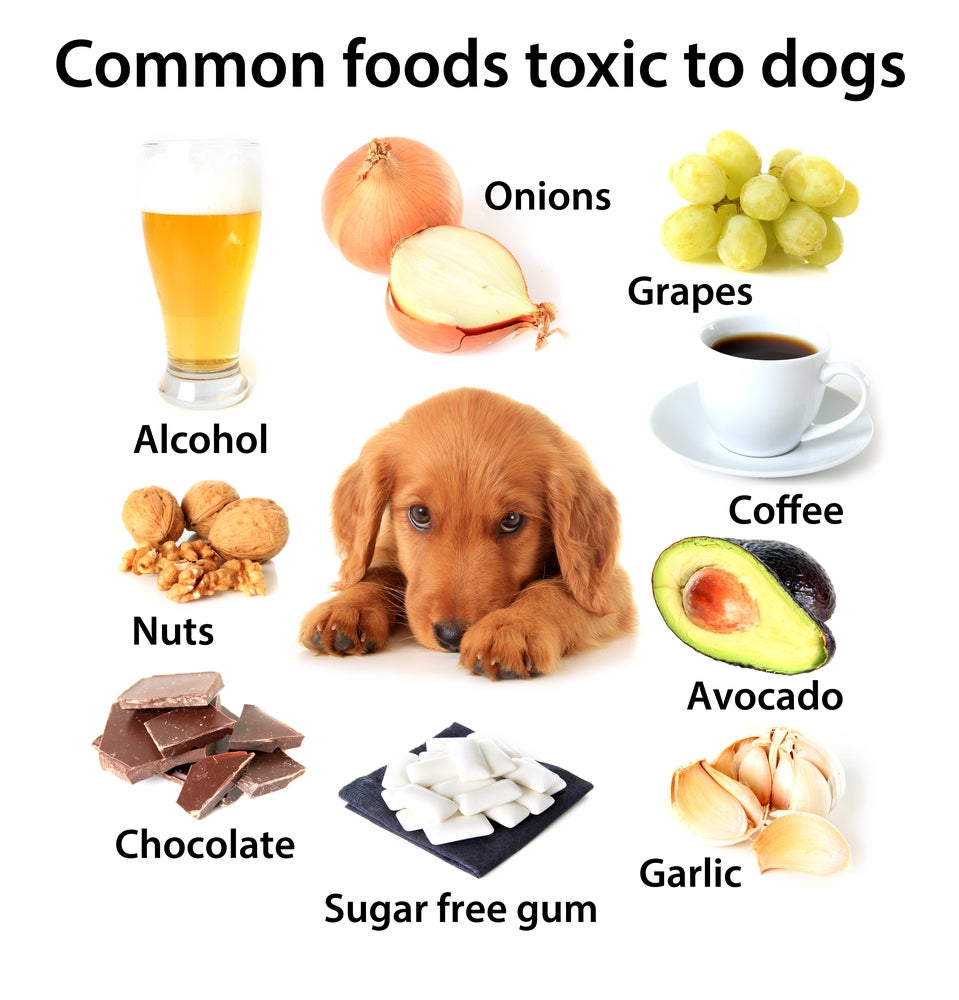
Some foods that are safe for people are toxic to pets, including:
- Chocolate
- Grapes and raisins
- Onions and garlic
- Xylitol (found in sugar-free gum and baked goods)
- Alcohol and caffeine
Dogs are more likely to ingest toxic foods, but cats can also be affected if exposed.
Medications
Human medications are one of the leading causes of pet poisoning.
- Pain relievers (ibuprofen, acetaminophen, naproxen)
- Antidepressants
- Cold and allergy medications
- Vitamins and supplements
Never give your pet medication unless directed by a veterinarian, and store all medications securely.
Plants and Flowers
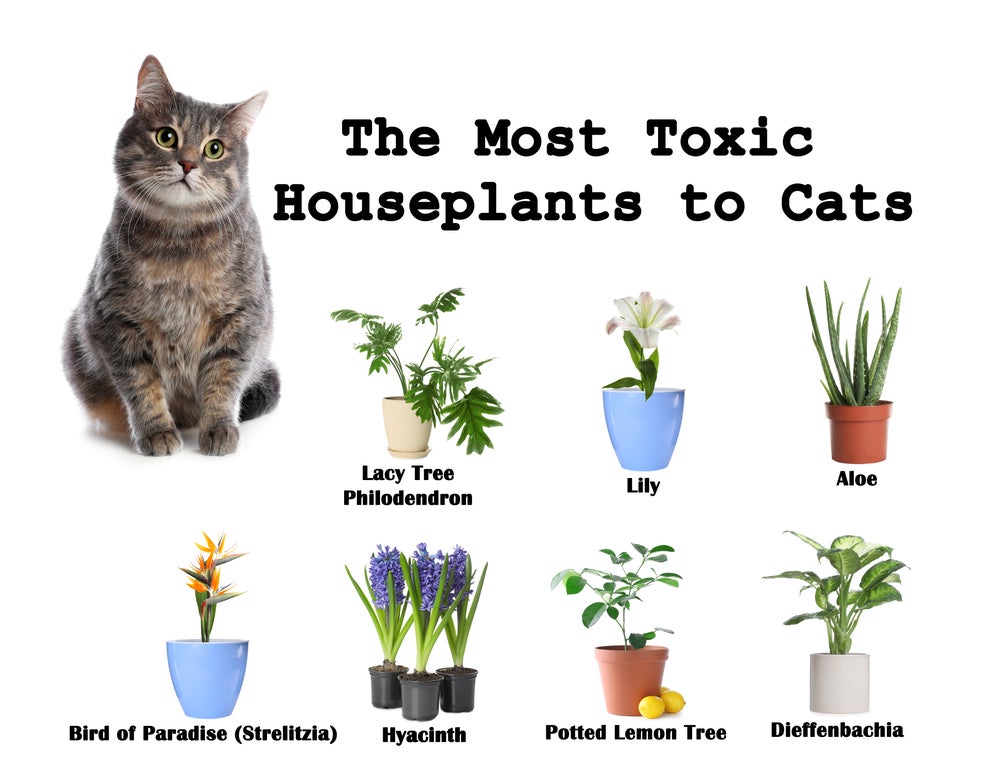
Many common houseplants and flowers are toxic—especially to cats.
- Lilies (extremely toxic to cats)
- Sago palm
- Aloe vera
- Pothos
- Tulips and daffodils
Check plant safety before bringing new greenery into your home.
Cleaning Products and Chemicals
Pets can be exposed by ingestion, inhalation, or skin contact.
- Antifreeze (highly toxic, even in small amounts)
- Rodenticides and insecticides
- Household cleaners
- Lawn and garden chemicals
Always follow label instructions and keep pets away from treated areas until fully dry.
Why Cats Are Especially Vulnerable
Cats lack certain liver enzymes that help process toxins, making them particularly sensitive. Additionally, substances on their fur can be ingested during grooming. Even essential oils, whether diffused or applied topically, can be dangerous to cats.
Prevention Tips Every Pet Owner Should Know
- Store all food, medications, and chemicals out of reach
- Keep trash securely covered
- Avoid feeding pets table scraps
- Research plants before bringing them home
- Use pet-safe products whenever possible
- Clean spills immediately
- Supervise pets outdoors
What to Do If You Suspect Poisoning
If you believe your pet has ingested or been exposed to a toxin:
- Contact your veterinarian immediately
- Call a pet poison hotline (ASPCA Animal Poison Control or Pet Poison Helpline)
- Do not induce vomiting unless instructed
Time is critical in poisoning cases—early treatment can be lifesaving.
Poison Prevention Is a Year-Round Responsibility
Poison Prevention Week (March 15–21) is a great time to review your home for hidden hazards, but keeping pets safe is an ongoing commitment. A few simple precautions can significantly reduce the risk of accidental poisoning.
By staying informed and proactive, you can help ensure your dogs and cats stay safe, healthy, and protected—this week and every week.