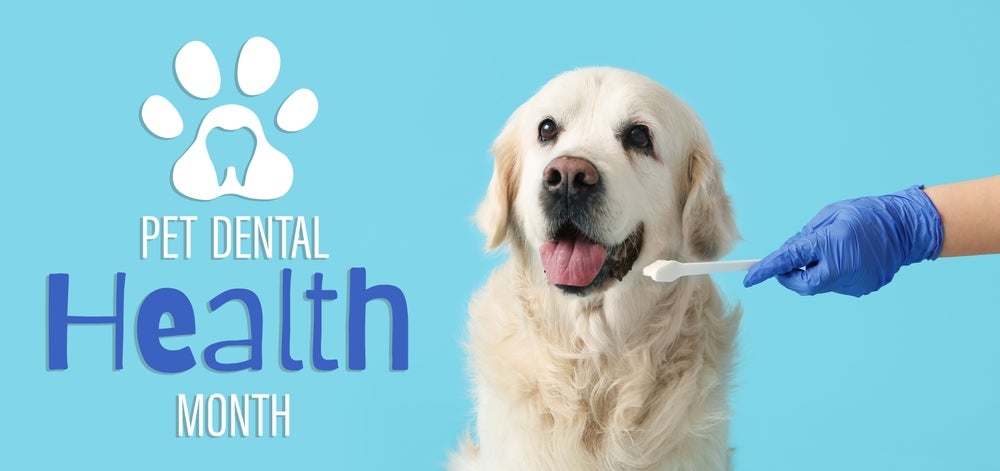


If you have looked into having your dog or cat’s teeth cleaned 🐶🐱🦷, you’ve probably stumbled upon anesthesia-free pet dental cleanings. This simply means that your pet will not go under general anesthesia in order to have their teeth cleaned. At first glance, it seems less risky 😌 and less expensive 💲—so why not?
Anesthesia-free dentals are generally performed by non-veterinarians who attempt to scale plaque off of a pet’s teeth using sharp instruments ⚠️. This is neither safe nor effective ❌, yet many businesses proudly offer this service as part of a grooming regimen ✂️🛁. We encourage you to think of it this way: you wouldn’t go to a salon for your own oral hygiene needs 😬, and neither should your pets 🐾.
🦷 What Happens During an Anesthesia-Free Dental Cleaning (AFD) or Non-Anesthetic Dental (NAD)?
🔒 Restraint
Because your pet is not under general anesthesia, they must be physically restrained for a lengthy amount of time 😟. Since your pet does not understand what is happening, this can be a traumatic experience 💔. Even beyond the cleaning, it can lead to increased anxiety during at-home dental care 🪥🐾.
Even with restraint, pets may move their head suddenly. The person performing the scaling is using extremely sharp tools 🗡️, which can unintentionally cause injury to the gums or other oral tissues 🚨.
😖 Pain
Your pet may experience pain and discomfort while years of plaque buildup are scraped from their teeth. If a tooth is loose or diseased 🦷⚠️, cleaning it without anesthesia can be especially painful.
✨ Inefficacy
While teeth may appear white and shiny 😁, this creates a false sense of oral health. The results are purely cosmetic 🎭, and your pet may benefit very little.
Without anesthesia, there is no way to clean beneath the gumline or on the inner surfaces of the teeth 🚫🪥. Periodontal disease can remain hidden and may lead to serious overall health problems ❤️🩹.
🩺 Why Anesthetic Pet Dental Cleanings Are Important
One common concern is that anesthesia is dangerous—but when properly administered, it is extremely safe ✅. A pre-anesthetic exam and bloodwork 🧪 help your veterinarian choose the safest protocol for your pet.
During professional dental procedures, a veterinarian and highly trained technicians monitor your pet at all times 👩⚕️👨⚕️. An IV catheter is placed 💉, and intravenous fluids are given to maintain hydration and healthy blood pressure 💧.
Each tooth is carefully examined and probed 🦷🔍 to check for disease. Full-mouth dental X-rays 📸 allow us to evaluate the roots and surrounding bone. Many serious issues are discovered during these procedures that would never be found during an awake exam.
Unfortunately, it’s not uncommon for pets to visit a veterinarian after an anesthesia-free dental with unresolved problems 😔. Dental X-rays often reveal bone loss 🦴, fractured teeth, abscesses, or even oral tumors 🚨.
🏥 What Happens During a Professional Dental Cleaning?
• Patient is admitted after an overnight fast ⏰
• Doctor performs a full exam to ensure safety 🩺
• Sedative and pain medication are administered 💊
• IV catheter is placed 💉
• Pet is intubated and placed under general anesthesia 😴
• Continuous monitoring of blood pressure, temperature, respiration, oxygen levels, EKG, and heart rate 📊
• Dental X-rays are taken and teeth are thoroughly cleaned while your pet is closely monitored 🦷📸
The veterinarian oversees the entire procedure, evaluates X-rays, performs any needed oral surgery 🪥✂️, administers medications, and communicates with you directly 📞.
Afterward, your pet recovers comfortably in a monitored recovery area 🛏️💗 and is discharged later that day with detailed at-home care instructions 📄🐾.
⭐ Standards of Care
Our mission is to provide the highest standards in veterinary medicine 🏆. The American Animal Hospital Association, American Veterinary Dental College, and American Veterinary Medical Association all agree: no pet should receive an anesthesia-free dental cleaning ❌🦷.
If you have questions, comments, or concerns about pet dental care, please don’t hesitate to contact us 📞🐶🐱💙