




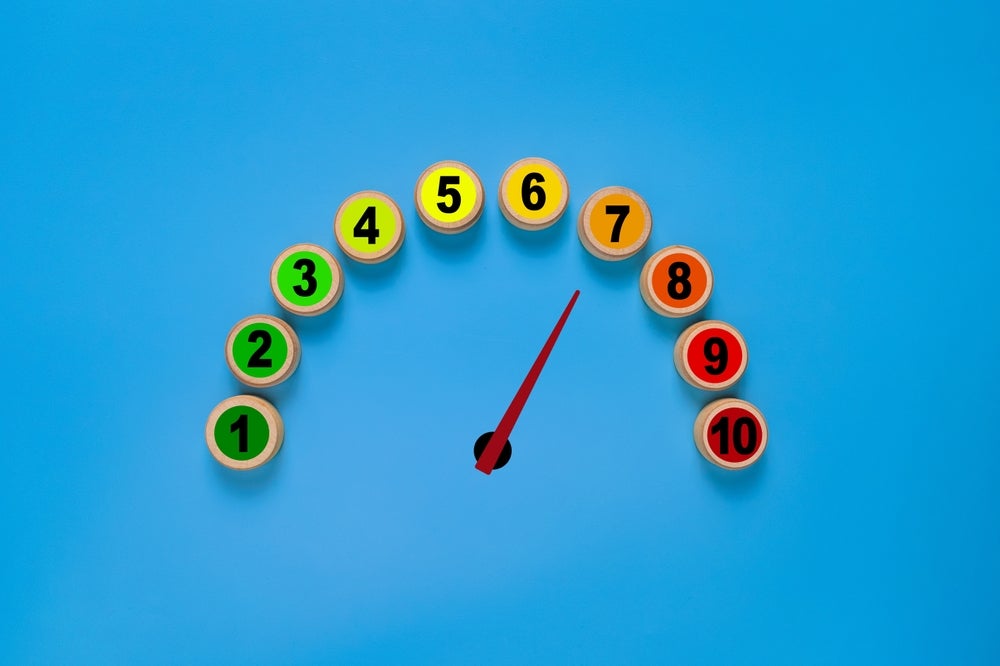
When it comes to managing allergies and chronic skin conditions in dogs and cats, one of the most helpful tools isn’t a medication—it’s a number. Using a simple 1–10 itch scale can transform how pet owners and veterinarians evaluate progress and set realistic expectations.
Because when it comes to chronic itch, the goal isn’t always perfection—it’s improvement.
Why Measuring Itch Is Important
Itchiness (pruritus) can be subjective. What feels “better” to one person might still seem significant to another. That’s why rating pets on a scale of 1–10 helps set goals and track meaningful changes over time.
On a typical itch scale:
- 1 = Normal pet, no itching
- 3–4 = Occasional scratching, mild and not disruptive
- 5–6 = Frequent scratching or licking
- 8–10 = Constant itching, interrupting sleep, play, and daily life
Using a number gives both you and your veterinarian a clear starting point—and a way to measure whether treatment is working.
Setting Realistic Expectations
For pets with severe allergies, reaching a “1” may not always be realistic. And that’s okay.
For example, a “3” may be acceptable for a pet that was once a “10.” If your dog was previously scratching nonstop, losing hair, and developing infections, reducing their itch to mild, occasional scratching is a major success.
Chronic allergy management focuses on control, not cure. Improvement—not perfection—is often the goal.
Mild Itchiness May Be Acceptable for Severe Patients
Some pets have long-standing, severe allergic disease. In these cases, mild itchiness may be acceptable for severe patients if they are otherwise comfortable, sleeping through the night, and free from infections.
The key questions to ask:
- Is your pet comfortable most of the day?
- Are they able to sleep without constant scratching?
- Are flare-ups shorter and less intense?
- Are infections under control?
If the answer is yes, the management plan may be working—even if occasional scratching remains.
Tracking Progress Over Time
Keeping a simple itch journal can be helpful. Rate your pet weekly or during flare-ups and note:
- Changes in diet or environment
- New medications
- Seasonal patterns
- Ear infections or skin flare-ups
This information helps your veterinarian adjust treatment plans more effectively.
A Tool for Better Communication
The 1–10 scale also improves communication. Instead of saying, “He’s still itchy,” you can say, “He’s at about a 4 this week.” That clarity allows for more precise decisions about medications, dosage adjustments, or additional therapies.
The Bottom Line
Managing itch is about improving quality of life. A numerical scale provides:
- Clear goals
- Measurable progress
- Realistic expectations
- Better communication with your veterinarian
Remember, success doesn’t always mean zero scratching. For many allergic pets, moving from a “10” to a comfortable “3” is life-changing.
And that’s a number worth celebrating.