




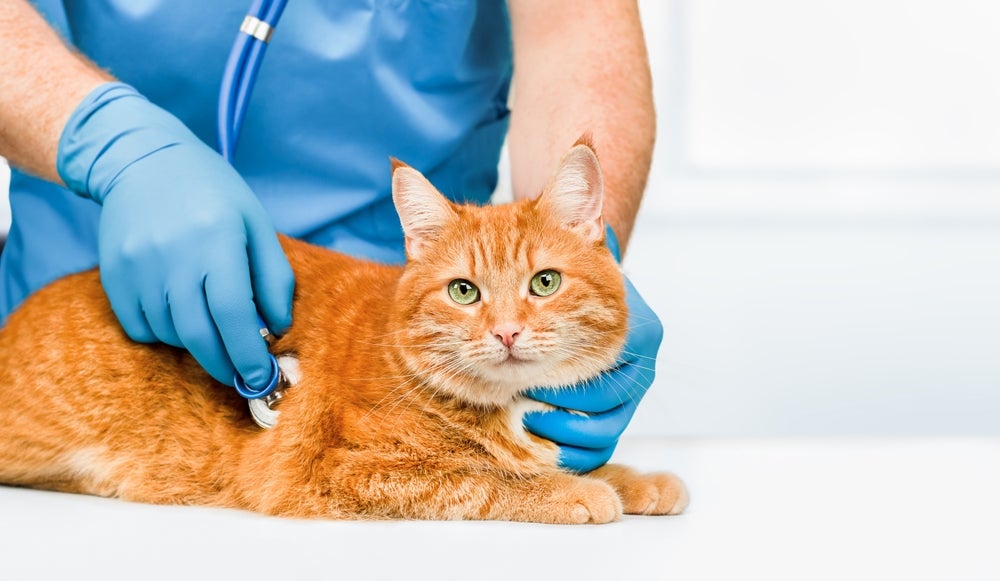
Hearing that your pet has cancer can feel overwhelming, and one of the first questions many pet owners ask is: “Is it treatable?” The answer, in many cases, is yes. While not every cancer can be cured, many can be treated effectively—and some can even be put into remission or eliminated entirely.
Treatment plans in veterinary oncology are highly individualized. They depend on several factors, including the type of cancer, how advanced it is, whether it has spread, and your pet’s overall health. Your veterinarian or oncologist will guide you through these considerations to help determine the best path forward.
There are different treatments for different prognoses. Cancer might be curable or manageable with a combination of approaches such as:
- Surgery, which is often used to remove localized tumors
- Radiation therapy, which targets cancer cells in specific areas
- Chemotherapy, which is used for cancers that are systemic or have spread
It’s important to understand that veterinary oncology approaches treatment differently than human medicine. The primary goal is not always to aggressively pursue a cure at all costs. Instead, the focus is on achieving remission while preserving your pet’s quality of life.
Chemotherapy in pets differs significantly from humans:
- Treatments are given at lower, carefully calculated doses
- Side effects are typically much milder
- Most pets do not lose their hair (though some breeds may experience thinning)
- The goal is to keep pets feeling well and maintaining normal routines
In contrast, human cancer treatments are often more aggressive in pursuit of a cure, which can come with more significant side effects.
Another common question is: Why do pets get cancer in the first place?
The reality is that cancer is rarely caused by a single factor. It is usually the result of a complex combination of:
- Genetic predisposition — some breeds are more prone to certain cancers
- Environmental influences — exposure to toxins, pollutants, or UV light
- Aging — as cells age, the risk of abnormal growth increases
While a diagnosis can feel overwhelming, it’s important to remember that there are options—and you don’t have to navigate them alone. With the right treatment plan and support, many pets continue to enjoy a high quality of life throughout their journey.