




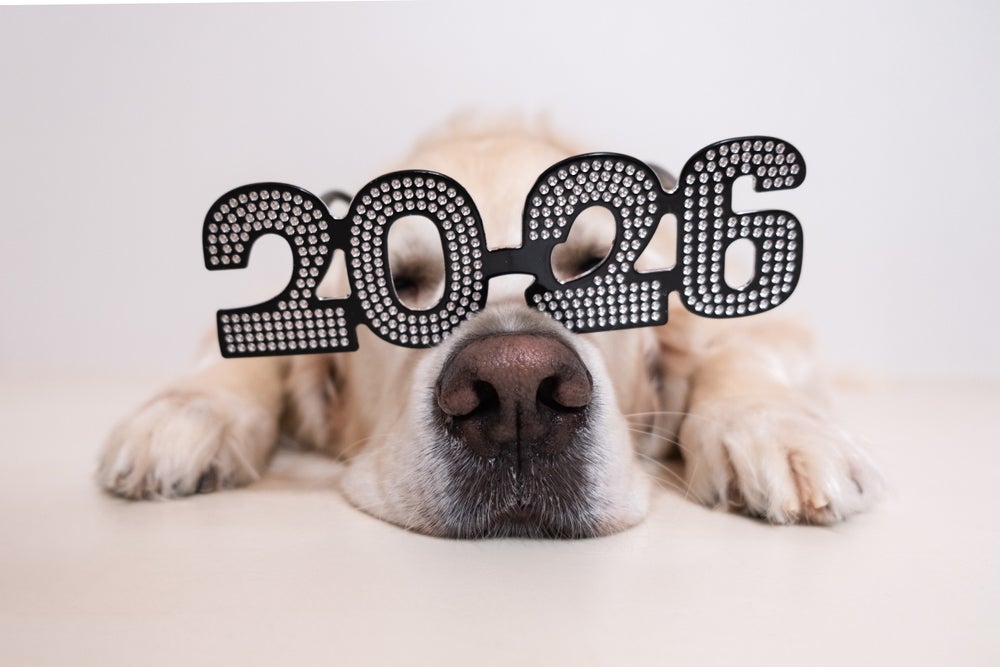
New Year’s Eve is a time of excitement, celebration, and fresh beginnings. But for many dogs, the holiday brings something far less joyful—loud noises. Fireworks, parties, and sudden sounds can trigger fear, shaking, pacing, hiding, or even attempts to escape.
If your dog struggles with noise phobia, you’re not alone, and there are ways to make this holiday more comfortable for them. Here are some helpful tips to get your pup through the night with a little more peace.
Understanding Noise Phobia in Dogs
Noise phobia is more than simple fear—it’s an intense, overwhelming reaction to sound. Dogs with noise sensitivities may show signs such as:
- Trembling or shaking
- Pacing or restlessness
- Hiding or clinging to you
- Panting or drooling
- Trying to escape fenced areas or rooms
- Barking or whining
- Destructive behavior
While the New Year’s Eve festivities are temporary, the stress your dog feels is very real.
The good news? With preparation, you can help your dog feel safer and more secure.
Tips to Help Your Dog Through New Year's Noise
1. Create a Safe, Quiet Retreat
Set up a calm area where your dog can hide comfortably. This may include:
- A crate or cozy bed
- Favorite blankets
- Calming music or white noise
- A dimly lit space to reduce stimulation
Many dogs feel better when they have a “den-like” space to retreat to.
2. Keep Doors and Gates Secure
A frightened dog may try to escape. Make sure:
- Yard gates are locked
- Doors and windows are fully closed
- Your dog’s ID tag and microchip information are up to date
New Year’s Eve is one of the most common nights for pets to go missing—prevention is key.
3. Try Sound Masking
Drown out fireworks with:
- White noise machines
- Fans
- Soft calming music
- TV or gentle movie sounds
Steady, predictable noise can lessen the impact of sudden booms.
4. Offer Comfort (and Distraction!)
Encourage calm behavior with:
- Long-lasting chews
- Puzzle toys
- A favorite stuffed toy
- Gentle petting if your dog finds comfort in it
Sometimes a little distraction goes a long way.
5. Consider Calming Aids
Depending on your dog’s needs, calming options may include:
- Anxiety wraps (e.g. Thundershirt)
- Calming pheromone diffusers or sprays
- Supplements recommended by your veterinarian
- Prescription anxiety medications for severe phobia
Always consult with your vet before adding new products to your pet’s routine.
6. Stay Calm Yourself
Dogs naturally look to us for cues. Keeping your tone soft, your movements predictable, and your energy relaxed can help your dog feel more secure.
Preparing for Future Noise Events
For long-term improvement, many dogs benefit from desensitization training—gradual, positive exposure to recorded fireworks or loud sounds. This process takes time but can significantly reduce sensitivity. We'll share more on this topic in a future blog.
Wishing You and Your Pets a Happy New Year!
As we welcome a fresh start, we want to extend our warmest wishes to all our clients, patients, and their families. Thank you for trusting us with your pets’ care throughout the year—we’re honored to support their health, comfort, and happiness.
May the coming year bring you joy, peace, and plenty of wagging tails and warm snuggles.
Happy New Year from all of us!