




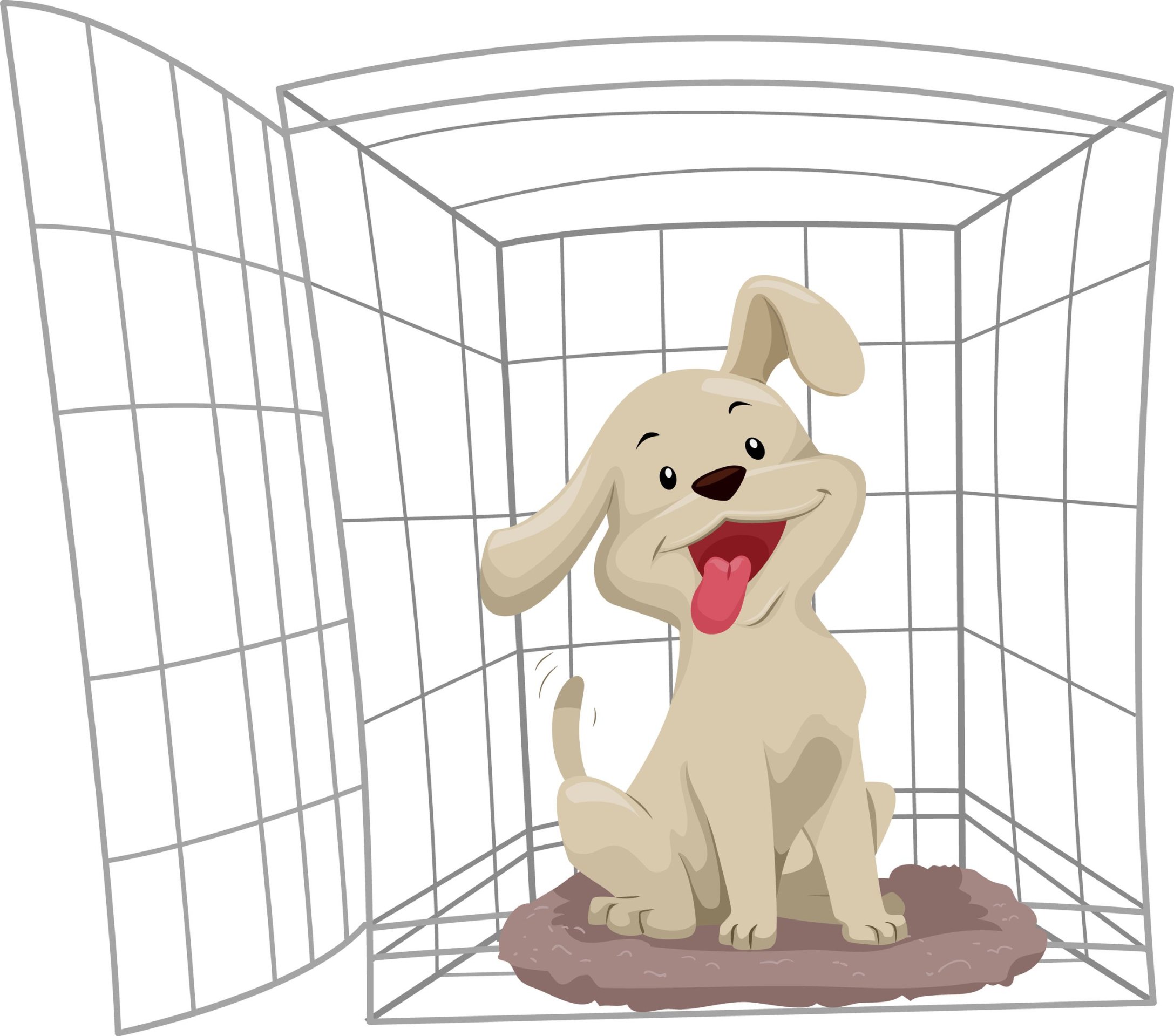
Crate training is one of the most helpful tools for raising a happy, confident puppy. When introduced the right way, a crate becomes a cozy, safe space—not confinement. It supports potty training, prevents unwanted behaviors, and helps your puppy settle into a routine.
Why Crate Training Helps
1. Potty Training Made Easier
Dogs naturally avoid soiling their sleeping area, making the crate an excellent tool for teaching bladder control and establishing a consistent schedule.
2. A Safe, Cozy Retreat
A crate gives your puppy a calm place to relax, nap, or decompress—especially helpful in busy households.
3. Prevents Problem Behaviors
When you can’t supervise, a crate keeps your puppy safe and stops habits like chewing or getting into dangerous items.
4. Stress-Free Travel and Vet Visits
Crate-trained dogs are much more comfortable in carriers, cars, and new environments.
5. Better Sleep Routines
A predictable bedtime in the crate encourages healthy sleep habits.
Getting Started: A Simple Step-by-Step Guide
Step 1: Make the Crate Inviting
Keep the door open and add blankets, toys, and treats. Let your puppy explore freely—never force them inside.
Step 2: Feed Meals in the Crate
This builds positive associations. Close the door briefly while they eat, then gradually increase the time.
Step 3: Short Practice Sessions
Have your puppy enter the crate, close the door for a minute or two, and stay nearby. Keep sessions calm and positive.
Step 4: Increase Alone Time Slowly
Work up from just a few minutes to longer periods. Only open the door when your puppy is quiet.
Step 5: Use the Crate Consistently
Incorporate crate time into daily routines—rest breaks, naps, quiet time, and bedtime.
Helpful Tips
- Never use the crate as punishment.
- Keep sessions positive and end on a good note.
- Ensure your puppy gets plenty of exercise outside of crate time.
- Remove collars before crating to avoid snagging.
A Strong Start for Your Puppy
With patience and consistency, crate training becomes a comforting routine your puppy can rely on. It builds confidence, supports good behavior, and makes life easier for both of you.